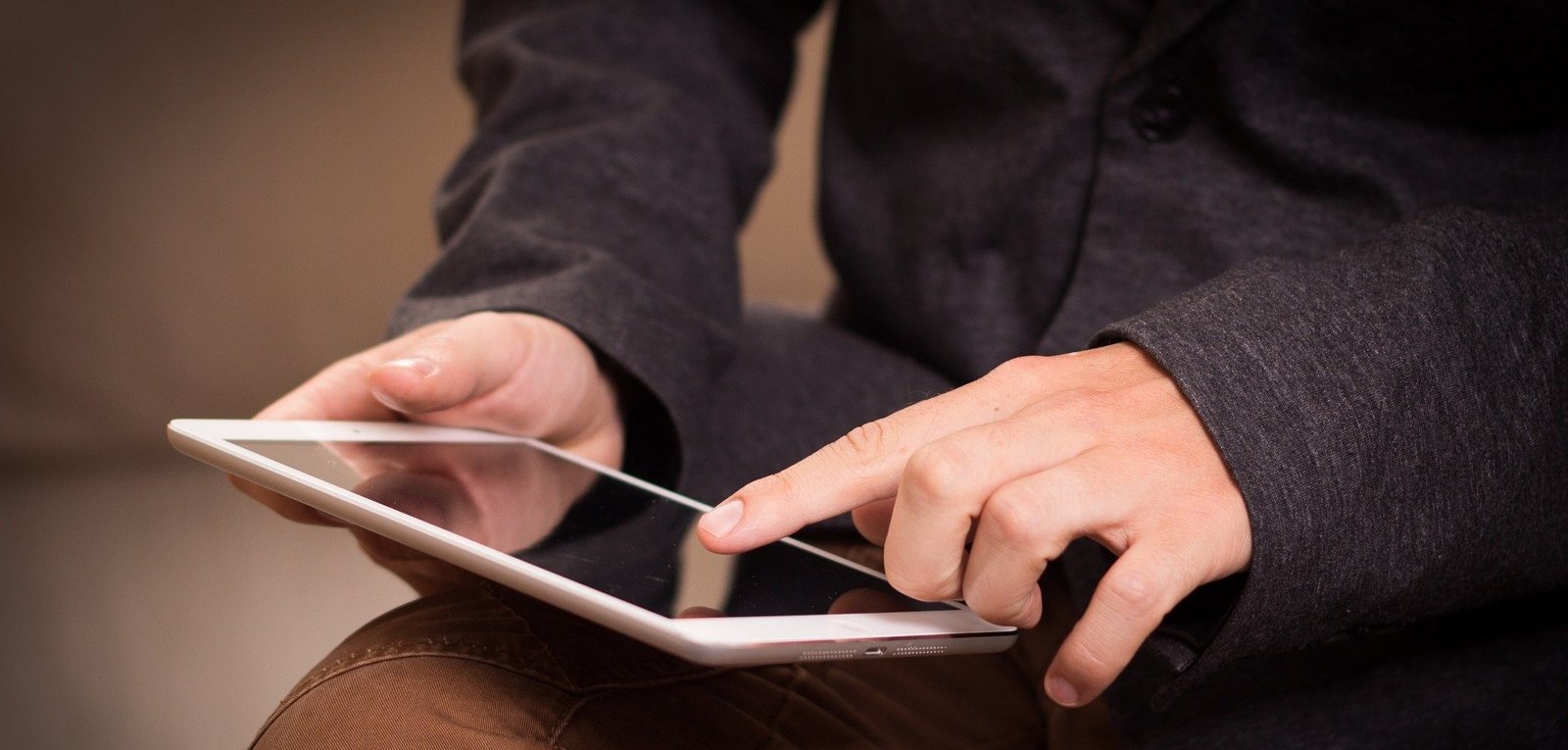
Technology has become an indispensable part of our daily lives. From the smartphones in our pockets to the laptops we use for work, touch screens power our interactions. But what happens when your touch screen not working suddenly? That seamless experience grinds to a halt, leaving you feeling frustrated and disconnected. Dealing with a non-responsive screen can be incredibly disruptive, whether you’re trying to check an email, edit a document, or simply scroll through photos.
At Brand Choice, we understand the importance of quality and reliability in everything you own. Just as you invest in a stylish and functional handbag to carry your daily essentials—like our spacious tote bag, perfect for a laptop and all your work gear—you also need your tech devices to be dependable. Our Dubai-based brand offers top-tier watches, perfumes, shoes, and handbags from the world’s best brands at great prices, and we believe in extending that value to your entire lifestyle. So, let’s explore the reasons behind this common tech problem and get your device back on track.
Why Is My Touch Screen Not Working? Common Causes
A non-responsive touch screen can be caused by a variety of issues, ranging from minor software glitches to more serious hardware damage. First, you need to determine the cause. Often, the solution is simpler than you think.
- Software Glitches: One of the most common culprits is a temporary software bug or a frozen app. Sometimes, after an update, a conflict can cause the screen to become unresponsive.
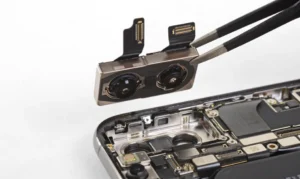
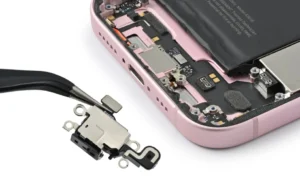
- Physical Damage: This is often the most obvious cause. If your device has been dropped, or if pressure has been applied to the screen, the digitizer—the component that detects touch—may be damaged. The glass may look fine, but the internal hardware could be broken.
- Dirt and Debris: A screen covered in fingerprints, dust, or grime can significantly reduce touch sensitivity. Debris can also accumulate around the edges of the screen, interfering with its function.
- Moisture or Water Damage: Water and electronics do not mix. Even a small amount of liquid can cause corrosion inside your device, leading to a permanent failure of the touch screen.
- Screen Protector Problems: A poor-quality or incorrectly installed screen protector can create a gap between your finger and the screen, causing the touch screen not working correctly.

What to Do When Your iPhone Touch Screen Not Working
For many of us, an iPhone is our primary device. Therefore, a non-responsive screen can feel like a major disaster. Fortunately, many fixes are easy to try at home.
- Restart Your iPhone: This is the first and most effective solution for many software issues. A simple restart can clear temporary bugs and refresh system processes that may have been causing the problem.
- Clean Your Screen: Take a soft, lint-free cloth and gently wipe the screen clean. Be sure to remove any visible smudges or debris.
- Remove Screen Protectors and Cases: If you have a screen protector or a bulky case, remove them to see if they are interfering with touch sensitivity. A low-quality screen protector is a common reason for an iPhone touch screen not working.
- Update iOS: Ensure your iPhone is running the latest version of iOS. Apple regularly releases updates that fix bugs and improve performance.
- Check for Water Exposure: If your phone was recently exposed to moisture, try turning it off and letting it dry out completely before attempting to use it again.
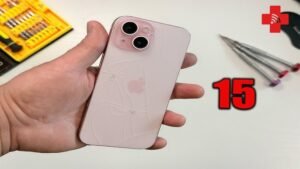
If your iPhone touch screen stopped working after a fall or other physical impact, the issue is likely hardware-related. In this case, professional repair or a screen replacement may be the only solution.
Laptop Touch Screen Not Working: Troubleshooting
Laptop touch screens can be a great convenience, but they can also fail. Here’s a look at common solutions for popular laptop brands.
Dell Laptop Screen Replacement
For Dell laptops, the issue is often related to drivers or software.
- Restart your system. This can resolve many temporary driver issues.
- Update display drivers. Go to the Dell support website, find your specific model, and download the latest display drivers.
- Run a hardware diagnostic. Most Dell systems have a built-in diagnostic tool that can check for display and touch screen hardware problems.
If these steps don’t work, a Dell laptop screen replacement may be required to fix a hardware issue.
HP Laptop Screen Replacement
HP laptops can suffer from similar issues. When troubleshooting fails, professional help is key.
- Check for Windows updates. Ensure your operating system is up to date, as this can fix compatibility issues.
- Re-enable the touch screen. Go to Device Manager, find “Human Interface Devices,” and check if the “HID-compliant touch screen” is enabled.
When the display itself is damaged, an HP laptop screen replacement is often the most effective solution to restore full functionality.
MacBook Air Screen Replacement
MacBooks are known for their durability and design. However, an accident can still happen. A cracked or unresponsive screen is a sign of a damaged digitizer.
- Check for software updates.
- Restart the MacBook.
- Try resetting the SMC and PRAM/NVRAM.
If the screen is physically broken or unresponsive, a professional MacBook Air screen replacement is the most reliable way to get your device working perfectly again.
When to Consider an LCD Replacement
Sometimes, the underlying problem is not just the glass but the display itself. This is where an LCD replacement becomes necessary. An LCD (Liquid Crystal Display) is the component that produces the image on your screen. If your screen is turning on but is not displaying an image correctly, or if the touch functionality is completely gone, the entire LCD unit may need to be replaced. A professional LCD replacement is often the best course of action to ensure both the display and the touch functions are fully restored.
How to Prevent Touch Screen Not Working Issues
While you can’t prevent every problem, you can significantly reduce the risk of your touch screen not working. Protecting your devices is just as important as choosing quality accessories, like a functional crossbody bag that keeps your belongings safe while you’re on the move.
- Use a high-quality screen protector that doesn’t hinder sensitivity.
- Invest in a protective case to shield your device from drops and impacts.
- Avoid exposure to liquids, humidity, and extreme temperatures.
- Keep your device clean, wiping it down regularly with a microfiber cloth.
- Keep software updated to prevent bugs and security vulnerabilities.
By taking these simple steps, you can prolong the life of your devices and keep them running smoothly. Just like a timeless fashion item, a well-cared-for gadget is an investment that pays off in the long run.
Conclusion
When your touch screen not working, it can be a major inconvenience. The solution depends on whether the problem is a simple software glitch or a more complex hardware failure. For iPhones, laptops, and MacBooks, a quick restart can often work wonders. However, if the issue persists or if there’s physical damage, professional services or a screen replacement may be the only way forward. By taking proactive measures to protect your devices and understanding the signs of a serious problem, you can minimize disruptions and ensure your technology serves you reliably.